Skip to content

Industries

Configured for the equipment you actually run

The core platform is the same. What changes is the asset hierarchy, the inspection regime, the compliance reporting and the vocabulary your teams use every day.

Sectors

Where NexAset ERP is deployed

Asset-intensive operations share the same core problem: too much critical equipment and too little reliable information about its condition.

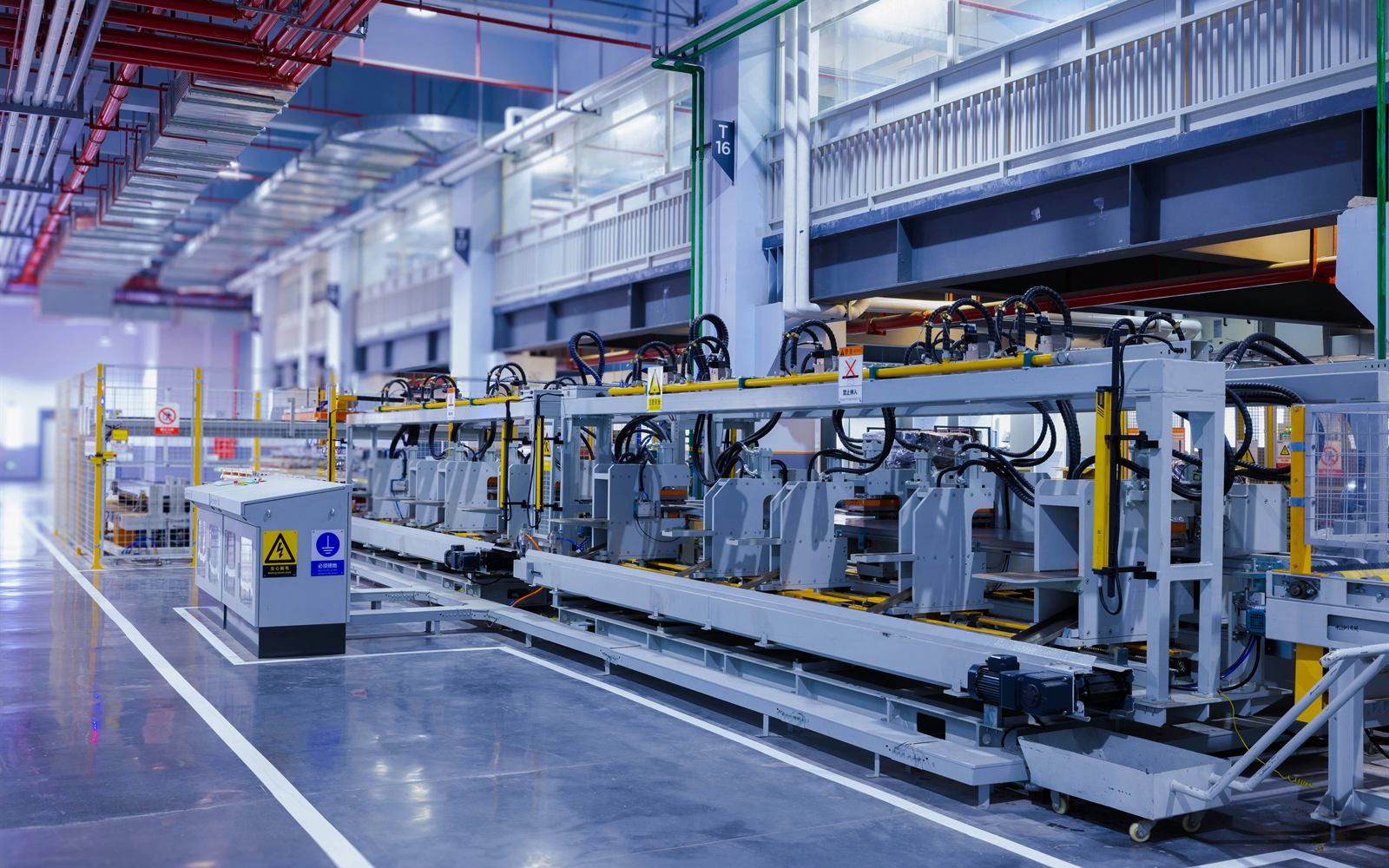
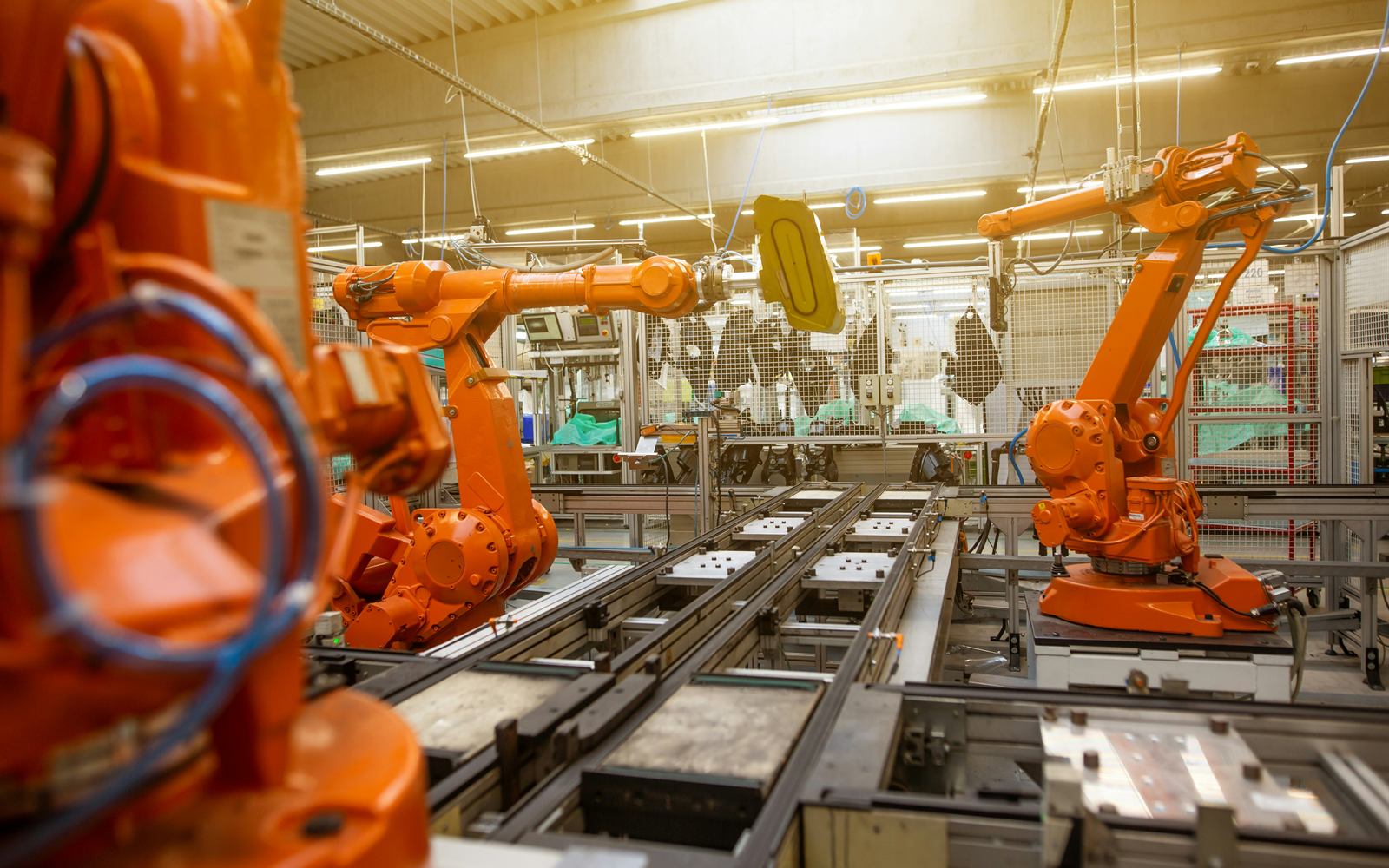
Robotic production line welding vehicle bodies in an automotive plant
01

Manufacturing

Typical assets: Production lines, CNC and press equipment, conveyors, compressors, utilities

OEE depends on availability. NexAset ERP ties PM schedules to production plans so maintenance windows land in planned stops rather than in the middle of a run.

  • Line-level downtime attribution
  • PM scheduling aligned to production calendar
  • Spare parts tied to critical line equipment

Row of wind turbines across green hills at a renewable energy site
02

Energy & utilities

Typical assets: Turbines, transformers, switchgear, pumps, substations, distribution networks

Regulated inspection regimes and ageing assets make evidence as important as execution. Every statutory task carries its record, sign-off and history.

  • Statutory inspection tracking with escalation
  • Condition and meter-based maintenance triggers
  • Audit-ready evidence per asset
Painted process piping and valves at a petrochemical facility
03

Oil & gas

Typical assets: Rotating equipment, pipelines, valves, pressure vessels, safety systems

Safety-critical maintenance cannot be informal. Work orders carry permits, isolation points and competency requirements, and the history is preserved after close-out.

  • Permit and isolation tracking per job
  • Competency-matched assignment
  • Shutdown and turnaround planning support
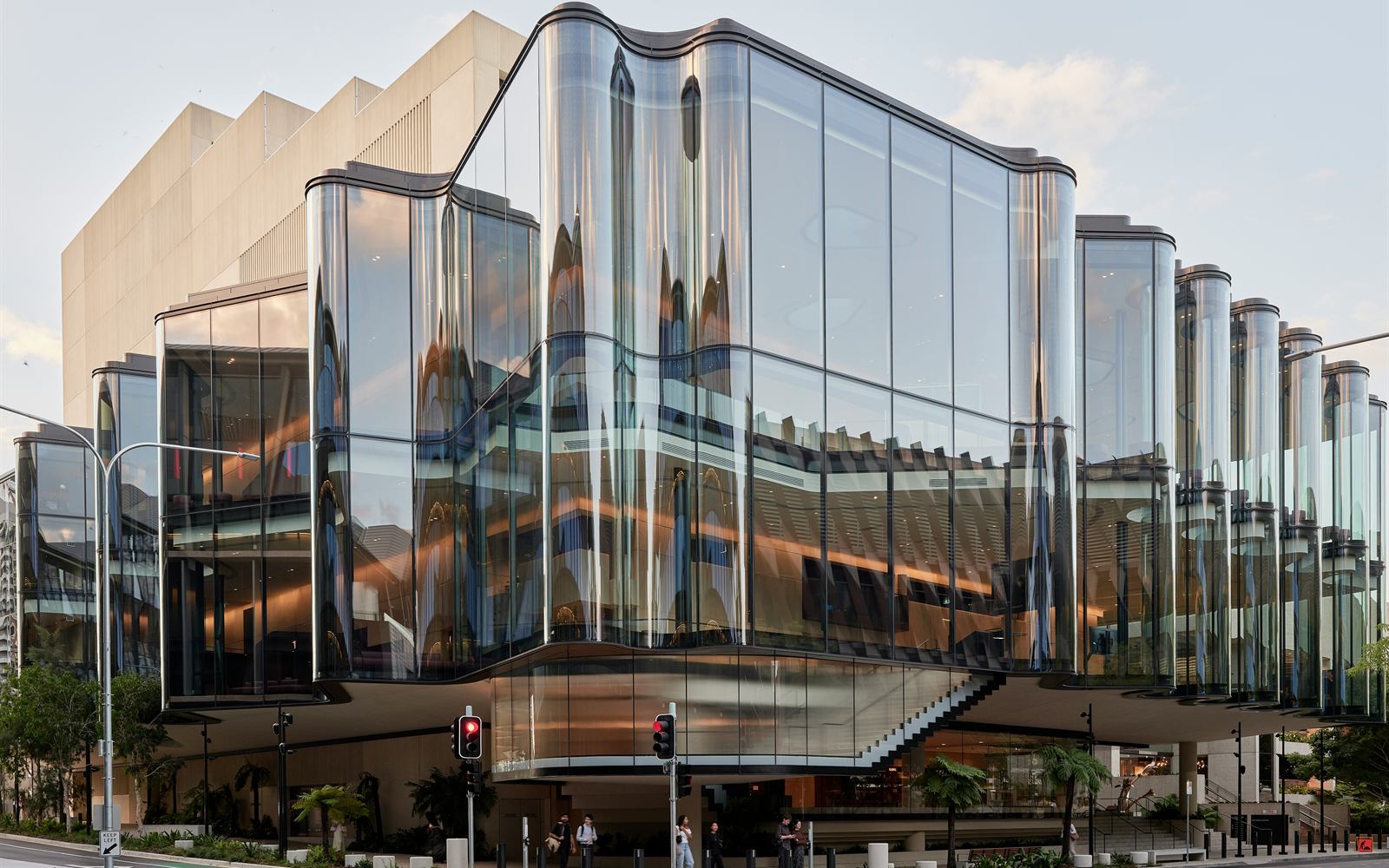
Modern glass office building facade reflecting the sky
04

Facilities & real estate

Typical assets: HVAC, lifts, generators, fire systems, building fabric, grounds

Many sites, many contractors, one standard. Multi-site hierarchies and contractor work orders keep service levels consistent across a portfolio.

  • Multi-site hierarchy with local and central views
  • Contractor work orders and cost tracking
  • Tenant and service request intake
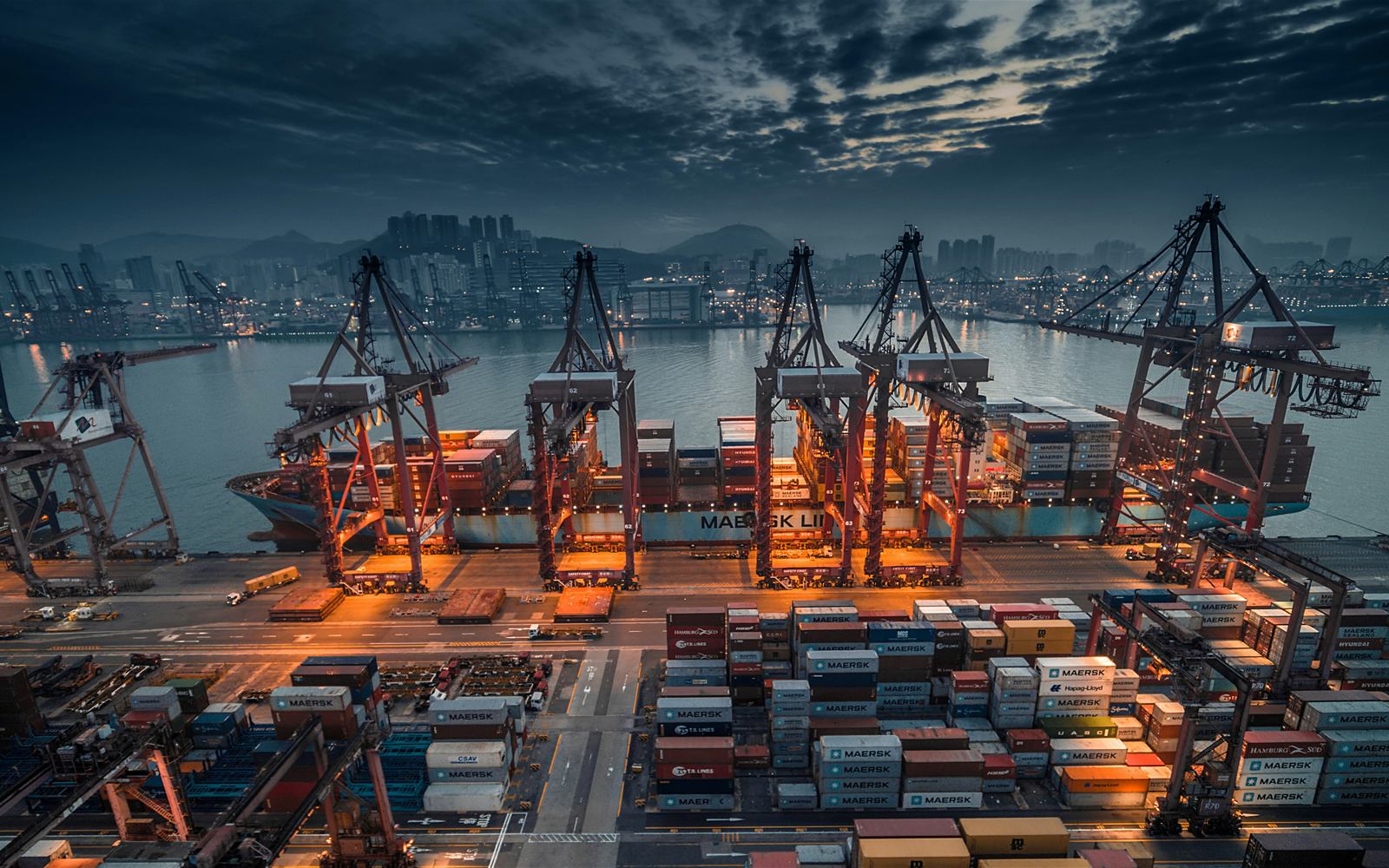
Container ship and gantry cranes at a busy port terminal
05

Transportation

Typical assets: Fleets, rail stock, handling equipment, workshops, depots

Vehicles and rolling stock move between locations. Maintenance history follows the unit, not the depot, so service decisions stay informed.

  • Meter and odometer-based maintenance
  • Workshop capacity and bay scheduling
  • Unit-level cost and availability reporting
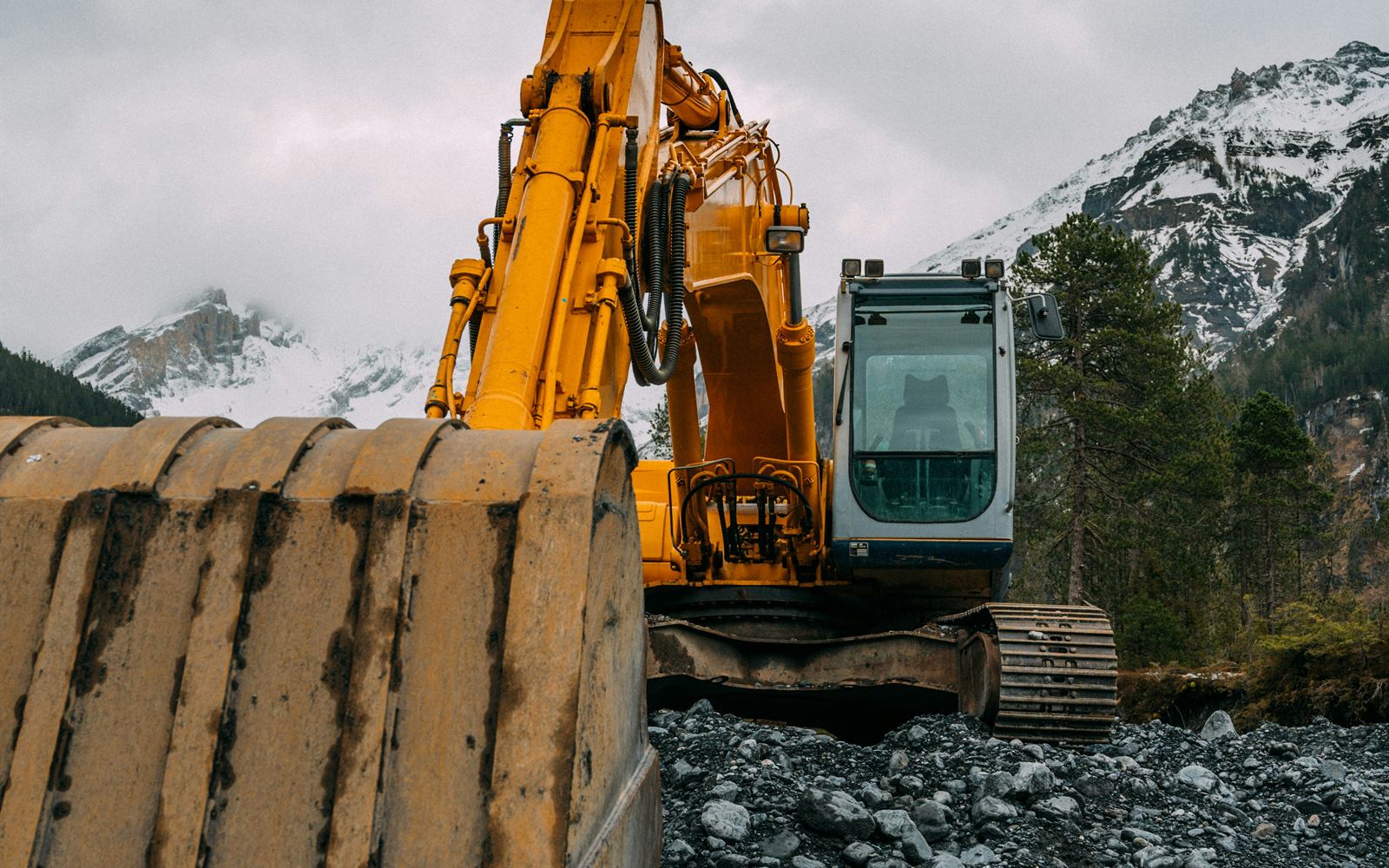
Heavy earthmoving equipment working on rocky ground
06

Mining & heavy equipment

Typical assets: Haul trucks, excavators, drills, crushers, conveyors, processing plant

Remote sites and harsh duty cycles mean unplanned stops are expensive. Condition triggers and offline mobile execution keep work moving where connectivity does not.

  • Condition-based maintenance triggers
  • Offline field execution with sync
  • Component life and rebuild tracking

Not sure how your asset base maps to NexAset ERP?

Send us a sample of your asset hierarchy. We will show how it would be modelled, including the inspection regime and reporting your sector expects.